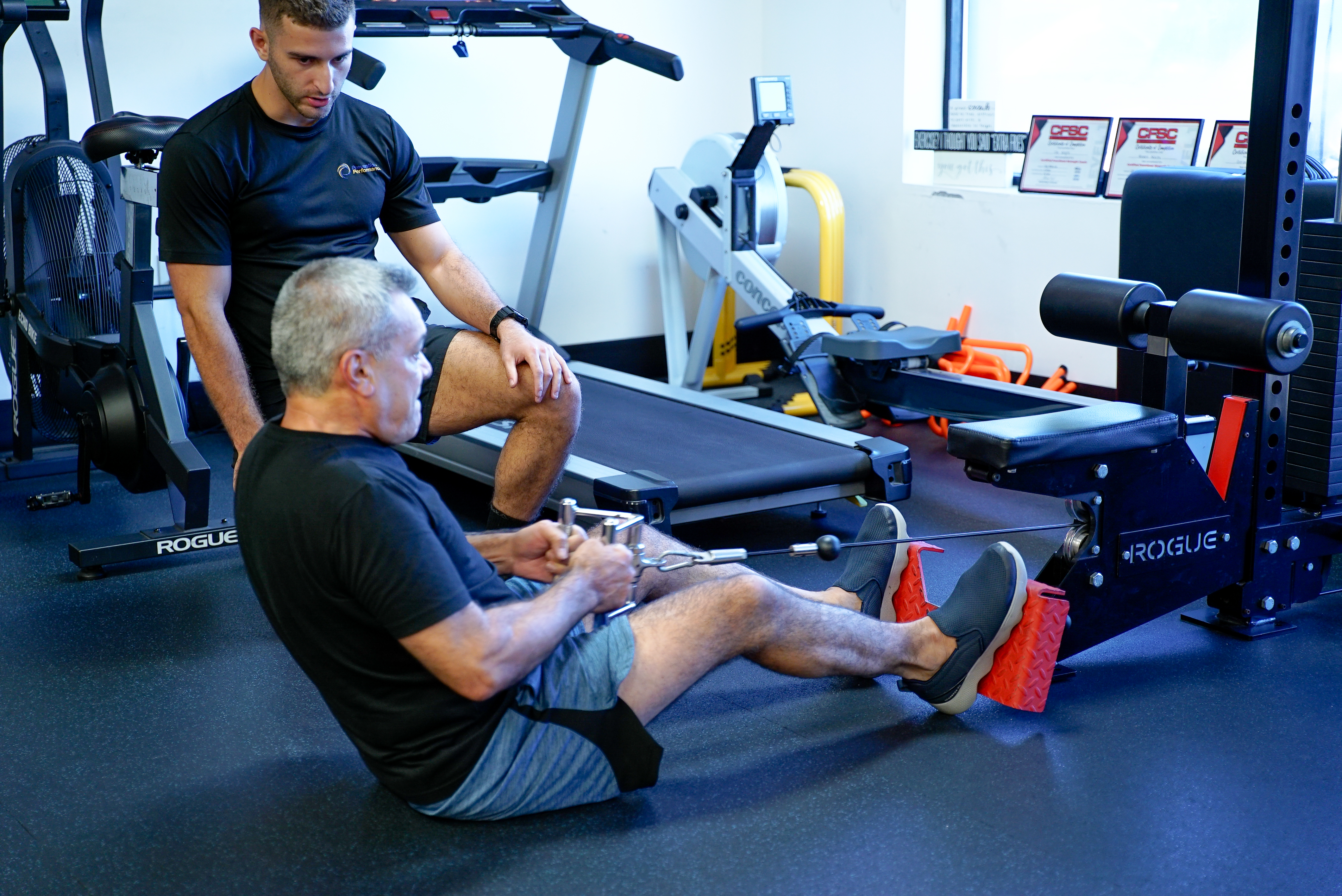
How to Choose a Personal Trainer Near Me Long Island - Practical Checklist for Strength and Injury Prevention
How to Choose a "Personal Trainer Near Me," Long Island - Practical Checklist for Strength and Injury Prevention
Searching for the right personal trainer near me on Long Island? Whether you're focused on building strength, preventing injury, or just getting back into a consistent fitness routine, choosing a qualified trainer is essential. But with so many options, how do you know who’s truly qualified?
This guide will walk you through a step-by-step checklist for evaluating potential fitness coaches, ensuring you find someone who aligns with your goals, cares about your well-being, and delivers measurable results. Let’s break down what to look for before, during, and after your initial consultation.
Pre-Training Assessment: What to Ask for in Your First Consultation
The best fitness programs start with a strong foundation—and that means assessing your baseline before diving into workouts. During your first consultation with a fitness coach near me, look for these key components:
1. Movement Screens
Ask if they perform functional movement screenings (FMS) or similar assessments.
This helps identify mobility restrictions, muscle imbalances, and postural issues that could put you at risk for injury.
2. Review of Injury History
A great trainer never overlooks old injuries or surgeries. Be prepared to share your injury history in detail.
They should ask follow-up questions and explain how they’ll adjust your workouts accordingly.
3. Baseline Strength and Endurance Tests
Expect a light physical assessment such as bodyweight squats, planks, or range-of-motion tests.
This gives your trainer clear parameters for building a personalized program and tracking progress.
If your consultation skips these steps, consider it a red flag. Proper evaluations are key to training smarter—not just harder.
Red Flags and Credentials: What to Look for in a Qualified Fitness Coach
1. Certifications Matter
Reputable trainers should hold nationally recognized certifications like NASM, ACSM, NSCA, or ACE.
Bonus if they have specialization in rehab or corrective exercise (e.g., CES or CSCS).
2. Experience in Injury Prevention and Rehabilitation
Ask about their background working with post-rehab clients or individuals with chronic pain.
This is particularly important if you're recovering from a knee or back issue.
3. Evidence of Progressive Strength Training
Can they explain their approach to progressive overload?
Look for programs with clear structure and long-term progression rather than random workouts.
The best fitness evaluation Suffolk county trainers offer isn’t flashy or “one size fits all”—it’s customized, clear, and grounded in science.
What to Test During a Trial Session
Before committing to a package, schedule a trial session. This gives you insight into the trainer’s methods and how they’ll work with you personally.
1. Sample Exercises
Evaluate if the exercises are appropriate for your current level—not too intense, not too basic.
They should include fundamental movements like squats, rows, or core work to build strength and stability.
2. Coaching and Cueing Style
Pay attention to how your trainer cues movement. Are they clear and encouraging?
Do they provide both verbal and visual guidance to help you perform exercises safely?
3. Modifications for Common Injuries
If you have knee, shoulder, or lower back concerns, see how the trainer modifies exercises during the session.
They should offer variations or positions that remove strain without compromising your workout effectiveness.
The trial session is your preview—so don’t be afraid to ask questions on the spot and reflect on how comfortable and challenged (not overwhelmed) you feel afterward.
Key Questions to Ask About Programming and Ongoing Support
A personalized fitness plan isn’t just about what happens during the session—it’s about how your trainer designs your entire journey. Use these questions to evaluate their strategy:
1. How Do You Create My Program?
A professional fitness coach should use your assessment to build a phased strength plan targeted to your goals: hypertrophy, fat loss, or injury recovery.
2. What Metrics Will We Use to Track Progress?
Examples include weekly strength reps, body composition, movement quality, or endurance timelines.
They should track, review, and adjust regularly based on how your body responds.
3. How Do You Ensure Client Safety Over Time?
Inquire about how they manage recovery, include deload weeks, or adjust around fatigue or flare-ups.
Your safety and recovery should be part of the equation—not an afterthought.
4. What’s Communication Like Outside of Sessions?
Can you message your trainer between sessions for questions or check-ins?
Accountability and support between workouts show you’re more than just a time slot.
Ready to Find the Right Personal Trainer Near You?
Choosing the right personal trainer near me on Long Island is more than just finding someone with a clipboard. It’s about partnering with a certified professional who prioritizes your long-term strength, safety, and success. Whether you’re recovering from an injury, returning to fitness after a break, or chasing new PRs, a quality fitness coach can be the catalyst to get you there—with less guesswork and better results.
Still wondering the best fitness evaluation Suffolk has to offer? Use this guide to ask the smart questions, evaluate credentials, and test the waters before committing.
Looking for a personal trainer on Long Island?
At Prevention & Performance Training Studio in Holtsville, we start with an individualized assessment so we can understand your goals, movement, training history, and current fitness level before developing your program.
Schedule a consultation with our team today to see whether we're the right fit for you.


